

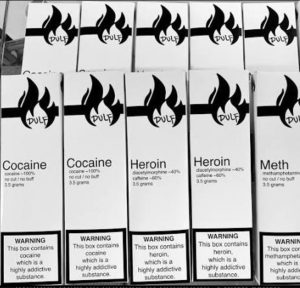
Across the world, societies are grappling with the devastating impact of substance use disorders. Governments, clinicians, families, and faith communities all agree on one thing. Addiction is causing profound harm. Where disagreement often arises is in how healing should be defined and pursued.
Two dominant approaches have emerged in modern recovery conversations. One is harm reduction, a public health strategy focused on minimizing the negative consequences of substance use. The other is faith-based, abstinence-centered recovery, which views addiction not only as a medical or behavioral issue, but as a condition that affects the whole person, including the soul.
Understanding the differences between these approaches is essential for families seeking lasting freedom rather than short-term management.

What Harm Reduction Seeks to Do
Harm reduction originated as a pragmatic response to rising overdose deaths and infectious disease transmission. In places such as Portugal, British Columbia, and several European countries, harm reduction policies include supervised consumption sites, needle exchange programs, opioid substitution therapies, and decriminalization of drug possession for personal use.
The stated goal of harm reduction is not abstinence. It is risk mitigation. Supporters argue that if people are not ready or willing to stop using substances, society has a responsibility to reduce the immediate dangers associated with use. Research does show that some harm reduction interventions reduce overdose deaths and transmission of HIV and hepatitis.
From a purely public health perspective, harm reduction prioritizes survival and stabilization. It asks the question, “How do we keep people alive today?”
This question matters. Life is sacred. Preventing death is important. However, harm reduction also carries philosophical assumptions that deserve examination.

The Limits of Harm Reduction
While harm reduction may reduce certain immediate risks, it often stops short of addressing the deeper drivers of addiction. By design, it does not require change in identity, values, or behavior. Continued substance use is expected, accommodated, and in some cases normalized.
This can unintentionally communicate a quiet message. That addiction is a permanent condition to be managed rather than a bondage that can be broken.
Long-term studies from harm reduction-heavy regions reveal a mixed picture. While overdose deaths may decline, rates of chronic dependency, public disorder, and multi-substance use often persist. Many individuals remain trapped in cycles of use for years, receiving services but never experiencing full restoration.
Harm reduction excels at crisis management. It struggles with transformation.
The Faith-Based, Abstinence-Centered Model
Faith-based recovery begins from a different premise. It holds that human beings are not merely biological organisms or social units, but spiritual beings created with purpose, dignity, and moral agency.
From this perspective, addiction is not only about chemical dependence. It is about broken identity, disconnection, pain, and misplaced sources of comfort and meaning.
Abstinence is not viewed as punishment or denial. It is viewed as freedom.
Christ-centered recovery does not deny the realities of trauma, mental health, or neurobiology. Instead, it places them within a larger framework of redemption and renewal. Healing involves the mind, the body, and the spirit.
The central question becomes, “Who is this person becoming?”
Jesus and the Question of Transformation
At the heart of Christian recovery is the belief that Jesus Christ offers more than behavior modification. He offers new life.
Scripture consistently presents healing as restoration of the whole person. When Jesus encountered those bound by destructive patterns, He did not simply reduce harm. He restored dignity, called people into repentance, and offered a new way of living.
This matters deeply in recovery. Addiction is not only about stopping a substance. It is about learning to live differently.
Faith-based programs emphasize practices such as accountability, confession, community, prayer, discipleship, and service. These practices are not symbolic. They reshape identity, habits, and relationships.
Where harm reduction often says, “Stay safe while you use,” Christ-centered recovery says, “You are not defined by your past, and freedom is possible.”
Comparing Outcomes Beyond Statistics
Public policy often measures success using narrow indicators such as overdose rates or hospital admissions. These metrics are important, but they do not tell the whole story.
Families are asking deeper questions:
-
Is my child growing in responsibility?
-
Are they learning to live sober, meaningful lives?
-
Are relationships being restored?
-
Is there hope for long-term stability?
Faith-based, abstinence-centered recovery tends to focus on these broader outcomes. Graduates are not simply stable. They are transformed. They learn to work, to serve, to forgive, and to live with purpose.
This does not mean relapse never occurs. Recovery is a process. But the goal is clear and uncompromised. Total freedom from substances and a renewed life anchored in Christ.
A More Inclusive Conversation
It is important to be fair. Harm reduction has saved lives. In emergency contexts, it may serve as a temporary bridge that prevents immediate death. Christians can acknowledge this without surrendering their convictions.
However, a bridge is not a destination.
For those seeking more than survival, faith-based recovery offers something distinct. It offers meaning. It offers moral clarity. It offers community rooted not in shared addiction, but in shared hope.
This is not about rejecting science. Many faith-based programs incorporate counseling, structure, and evidence-informed practices. The difference lies in what is considered ultimate.
Harm reduction aims to make addiction less deadly. Christ-centered recovery aims to make people whole.
Why Abstinence Still Matters
In a culture increasingly uncomfortable with absolutes, abstinence is sometimes portrayed as unrealistic or extreme. Yet for many who have suffered under addiction, clarity is a gift.
Abstinence removes ambiguity. It draws a clear line between bondage and freedom. It creates space for trust to be rebuilt and for new habits to take root.
Most importantly, abstinence aligns with the Christian understanding of transformation. “If anyone is in Christ, he is a new creation.” That promise is not about moderation. It is about renewal.
Choosing a Path Forward
Every family must discern the path that aligns with their values and hopes. Some may choose harm reduction as an emergency response. Others will seek something deeper.
For those who believe that addiction touches the soul, and that true healing requires spiritual renewal, a Christ-centered, abstinence-based approach remains a compelling and time-tested option.
Recovery is not just about staying alive. It is about learning how to live.
And at the center of that journey, many have found that Jesus does not merely reduce harm. He restores lives.