
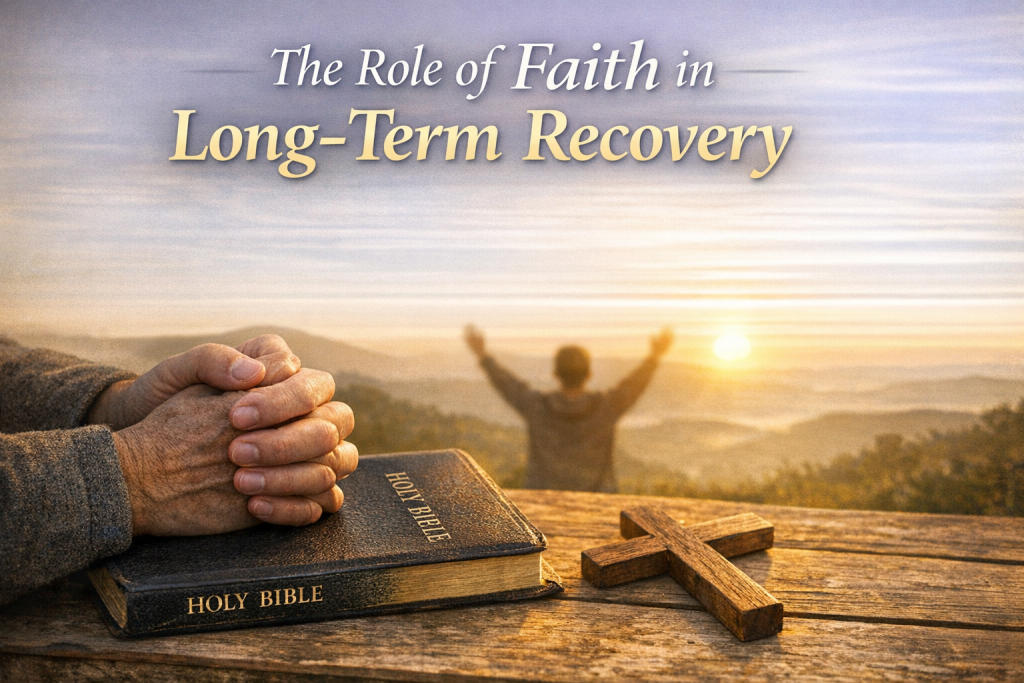
Recovery from addiction is a journey that goes far beyond the walls of a treatment center. It is not simply a matter of willpower or determination, though those qualities are important. True and lasting recovery requires a transformation of the heart and mind, and for many, faith provides the foundation for that change. At CADAM, we have seen countless individuals find strength, stability, and hope through a relationship with God, a commitment to prayer, and the support of a community rooted in biblical principles.
Why Recovery Is More Than Willpower
Addiction is powerful. It rewires the brain, making the urge to use substances feel urgent and unavoidable. Many people believe they can overcome addiction purely through sheer force of will. While personal effort is necessary, relying solely on self-discipline is often insufficient. Even the strongest intentions can falter when faced with stress, old habits, or triggers that bring memories of past use.
Faith offers a different kind of strength. It shifts the focus from self-reliance to God-reliance. When a person surrenders the struggle to God and trusts in His guidance, they discover a source of resilience that surpasses human limitations. Biblical teachings remind us that we are not alone in our struggles. In times of weakness, faith provides the assurance that God is present, ready to offer comfort, wisdom, and the power to persevere.
Biblical Principles of Renewal and Transformation
The Bible is full of stories of renewal and transformation. Saul became Paul, a persecutor of Christians who became one of the most influential apostles. The prodigal son returned to his father’s embrace, symbolizing the power of forgiveness and redemption. These examples demonstrate that no matter how far someone has fallen, change is possible when they turn to God.
For individuals in recovery, these stories provide more than inspiration. They serve as a blueprint for daily life. Faith encourages practices that support long-term sobriety, such as prayer, meditation on scripture, and fellowship with other believers. Engaging in these disciplines helps reorient the mind away from destructive patterns and toward values that promote healing. When a person reads about God’s mercy and guidance, they internalize the belief that they are capable of transformation, which strengthens their resolve to maintain sobriety.
Faith as a Stabilizing Anchor During Relapse Triggers
Life after treatment is full of challenges. Stressful events, relationship conflicts, and environmental cues can all act as triggers for relapse. Even those who have been sober for months or years may find themselves at risk. Faith acts as a stabilizing anchor in these moments, providing a sense of purpose and calm.
Prayer is a practical tool in this process. Taking time to reflect, confess, and seek guidance can reduce anxiety and increase clarity. Scripture offers reminders that setbacks do not define a person. In 1 John 1:9, the Bible tells us that if we confess our sins, God is faithful to forgive. This principle reassures those in recovery that even if they struggle or stumble, there is hope for restoration.
Community support is another vital aspect. Faith-based recovery programs often connect participants with mentors, small groups, and fellow believers who provide accountability and encouragement. Knowing that others are praying, listening, and walking alongside them helps individuals feel less isolated. This sense of belonging is a protective factor against relapse, as it replaces the loneliness that often drives substance use.
Practical Spiritual Disciplines for Daily Life
Integrating faith into recovery is not limited to attending church or reading scripture occasionally. It involves developing daily spiritual disciplines that reinforce sobriety.
-
Daily Prayer: Starting the day with prayer allows a person to seek God’s guidance and strength before facing potential triggers. Ending the day with reflection and gratitude reinforces accomplishments and helps process challenges.
-
Scripture Meditation: Regular reading and meditation on biblical passages provide a foundation of truth and encouragement. Verses that speak to resilience, forgiveness, and hope can serve as reminders of God’s power in one’s life.
-
Service and Fellowship: Engaging in service opportunities and small group fellowship fosters connection with others and strengthens accountability. Helping others in need shifts focus away from personal struggles and encourages humility and empathy.
-
Journaling: Writing down prayers, reflections, and progress allows individuals to track spiritual and emotional growth. It can also serve as a reminder of how far they have come in their recovery journey.
Why Faith-Based Recovery Works
Faith-based recovery programs like CADAM stand apart from secular approaches because they address the whole person. Addiction is not just a physical dependence; it is also emotional, spiritual, and relational. By integrating biblical principles, prayer, and community support, participants are equipped to heal in ways that traditional programs may not address.
The combination of divine guidance, personal discipline, and community accountability creates a robust framework for long-term sobriety. Faith provides a source of hope and resilience that does not waver when challenges arise. The certainty that God is present in every struggle allows individuals to approach recovery with confidence, even in moments of doubt.
Transforming Struggles into Purpose
Faith does more than sustain sobriety; it transforms struggles into purpose. Many individuals in recovery discover a calling to help others who are still trapped in addiction. Their experiences, combined with spiritual growth, allow them to offer empathy, guidance, and hope to others. By participating in a faith-based recovery community, they become living examples of God’s transformative power.
This transformation also extends to personal relationships, work, and community life. Individuals in recovery often find themselves reconnecting with family, establishing stable employment, and contributing positively to society. The spiritual foundation built through faith ensures that these changes are sustainable, rooted in values that transcend the challenges of addiction.
Conclusion
Long-term recovery is a journey, and faith provides the compass and anchor needed to navigate it successfully. While willpower and therapy play important roles, true transformation comes from a combination of spiritual commitment, prayer, and supportive community. Biblical principles guide individuals toward renewal, help stabilize them during relapse triggers, and offer a path to purpose beyond addiction.
At CADAM, we believe that recovery is not just about stopping substance use. It is about restoring the whole person, body, mind, and spirit. Faith gives those in recovery the tools to live a life of freedom, joy, and hope. For anyone seeking lasting sobriety, embracing faith may be the key that unlocks true and enduring transformation.